Brazil's most famous nickname was born in a 1908 chronicle, became a Carnival march in 1935 and is now an official anthem. The story behind three words.
Everyone repeats "Cidade Maravilhosa," but almost nobody knows the nickname has an author, a date, and a century-old dispute over who coined it first.
The Origin: A 1908 Chronicle
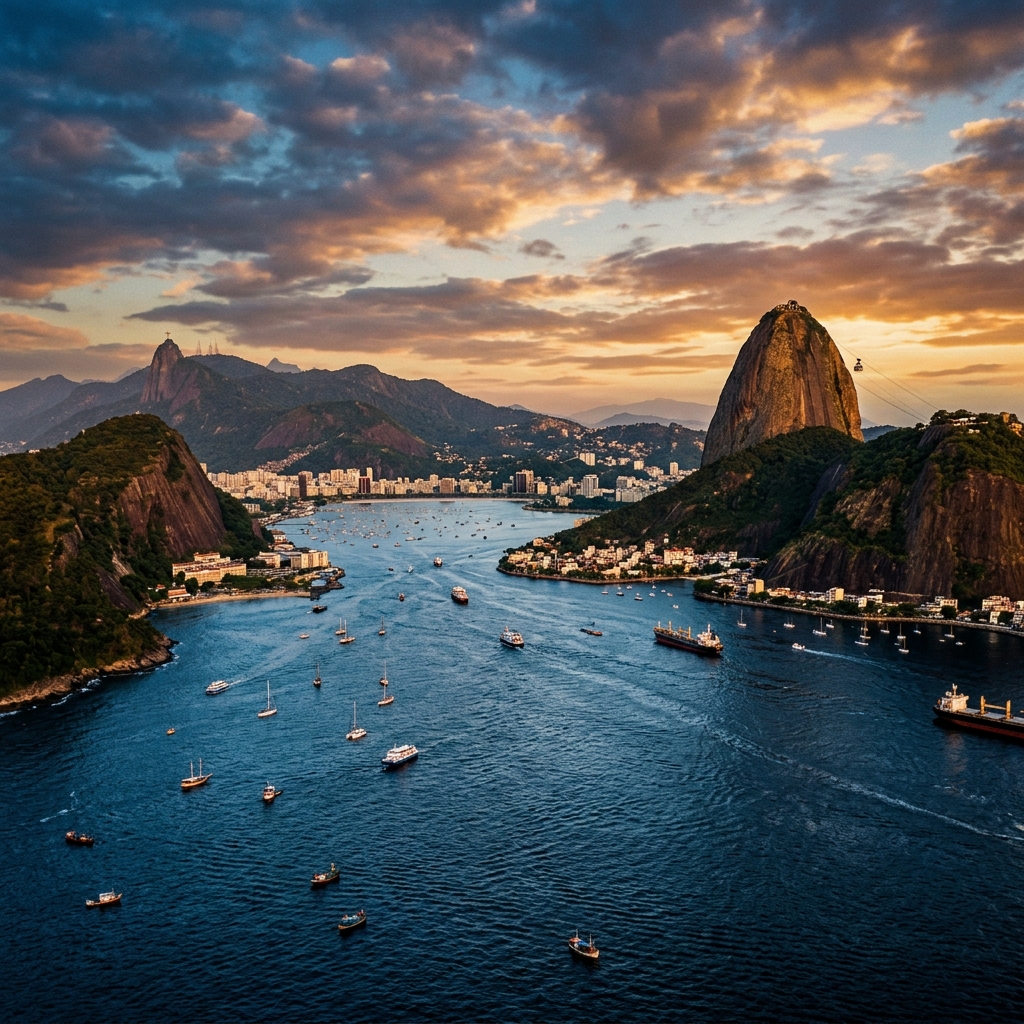
Writer Coelho Neto published a book of chronicles in 1908 called A Cidade Maravilhosa, describing Rio de Janeiro with the wonder of someone rediscovering their own city. It's the first documented reference to the title. Before him, however, French poet Jeanne Catulle-Mendès visited Rio in 1912 and published verses exalting the bay and Sugarloaf — some historians credit her with the international popularization of the term, though chronologically Coelho Neto came first.
There are also earlier references in 19th-century French newspapers, where European diplomats described the entrance to Guanabara Bay as something "merveilleux." But the consecrated Portuguese usage, with the status of an official epithet, belongs to Coelho Neto.
From Chronicle to Anthem
In 1935, composer André Filho recorded the march "Cidade Maravilhosa" for Carnival. The catchy melody and the refrain "Cidade Maravilhosa, cheia de encantos mil" (Marvelous City, full of a thousand charms) blasted from block-party speakers and never left. In 2003, the song was officially designated the City Anthem of Rio de Janeiro by municipal law.
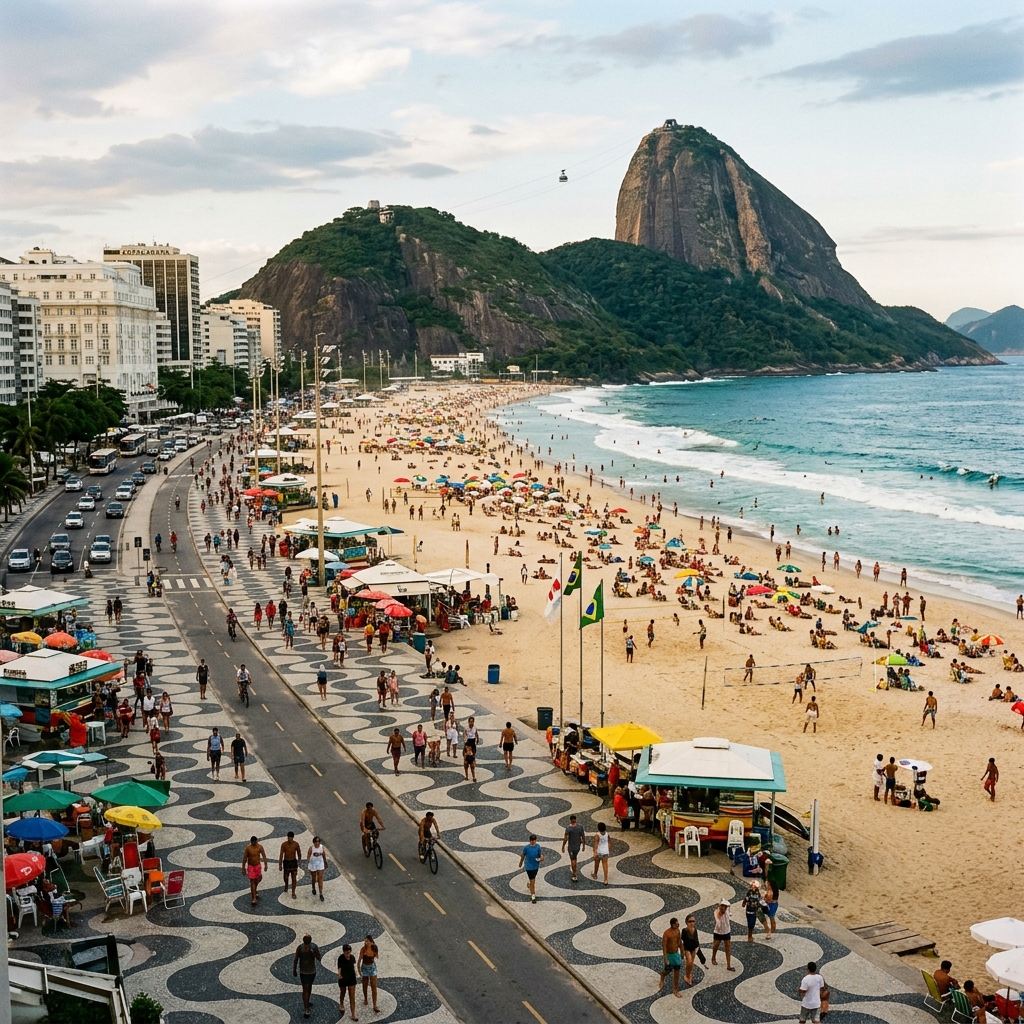
Today, the march plays at every Maracanã game opening, every Copacabana New Year's Eve, and even on arrival of international flights at Galeão. It's the sound that defines the city as much as a referee's whistle or a surdo drum's beat.
What to Visit to Feel This History
The Museum of Image and Sound (MIS) in Copacabana holds original phonographic archives from the marchinha era. The Theatro Municipal downtown is contemporary with Coelho Neto and preserves the Belle Époque grandeur that inspired the epithet. And street Carnival, where the march is sung by millions, remains the living proof that the title stuck.
When to Go
To hear "Cidade Maravilhosa" performed live, attend Carnival (February/March) or New Year's Eve (December 31). Outside festive season, the Theatro Municipal offers guided tours Tuesday through Saturday, 11 AM to 3 PM (R$ 20).
Who Is This For
Cultural history buffs, Brazilian music fans, writers and journalists seeking backstories, and any traveler who wants to understand why three words define a city of 6 million.
Dive into Rio's musical history in our article on Samba: The History of the Rhythm that Defines Brazil.