Why 'Marvelous City'?
Brazil's most famous nickname was born in a 1908 chronicle, became a Carnival march in 1935 and is now an official anthem. The story behind three words.
Fun facts and fascinating stories
Brazil's most famous nickname was born in a 1908 chronicle, became a Carnival march in 1935 and is now an official anthem. The story behind three words.

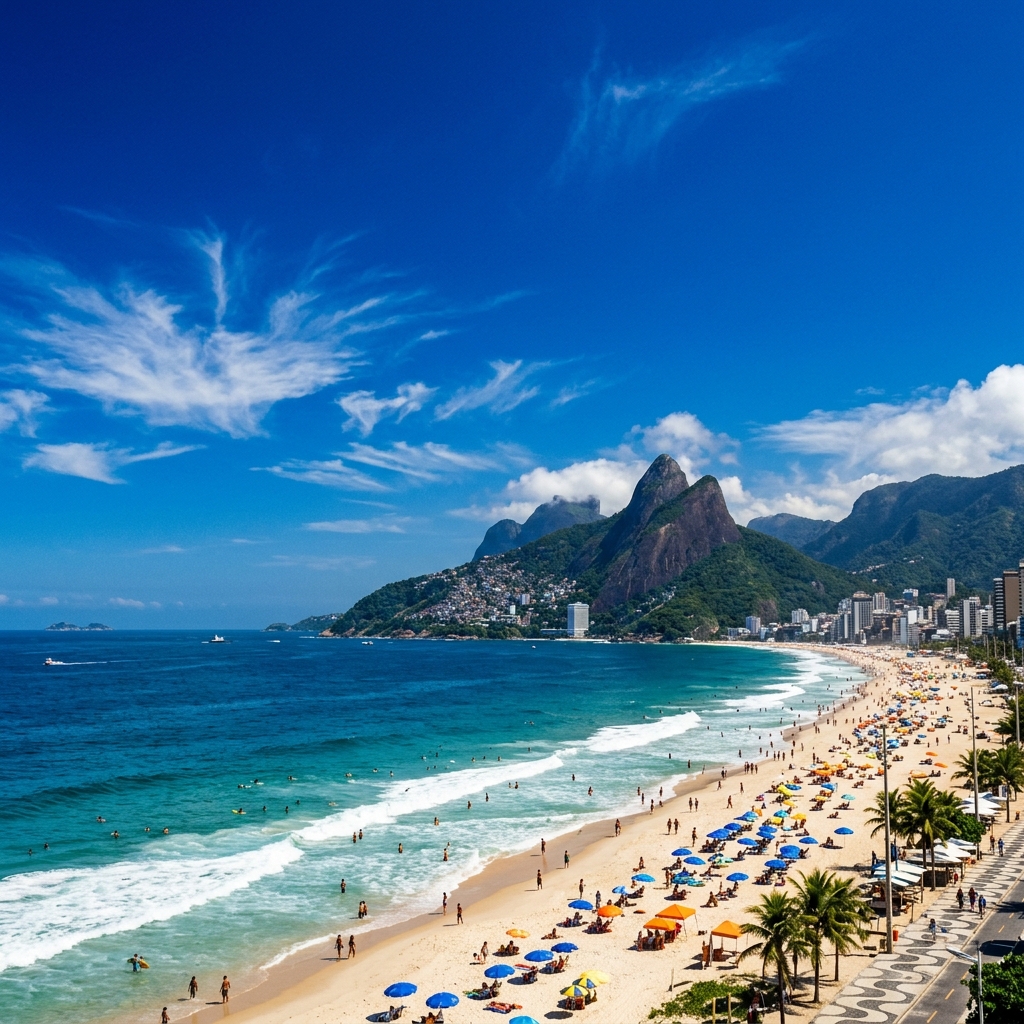
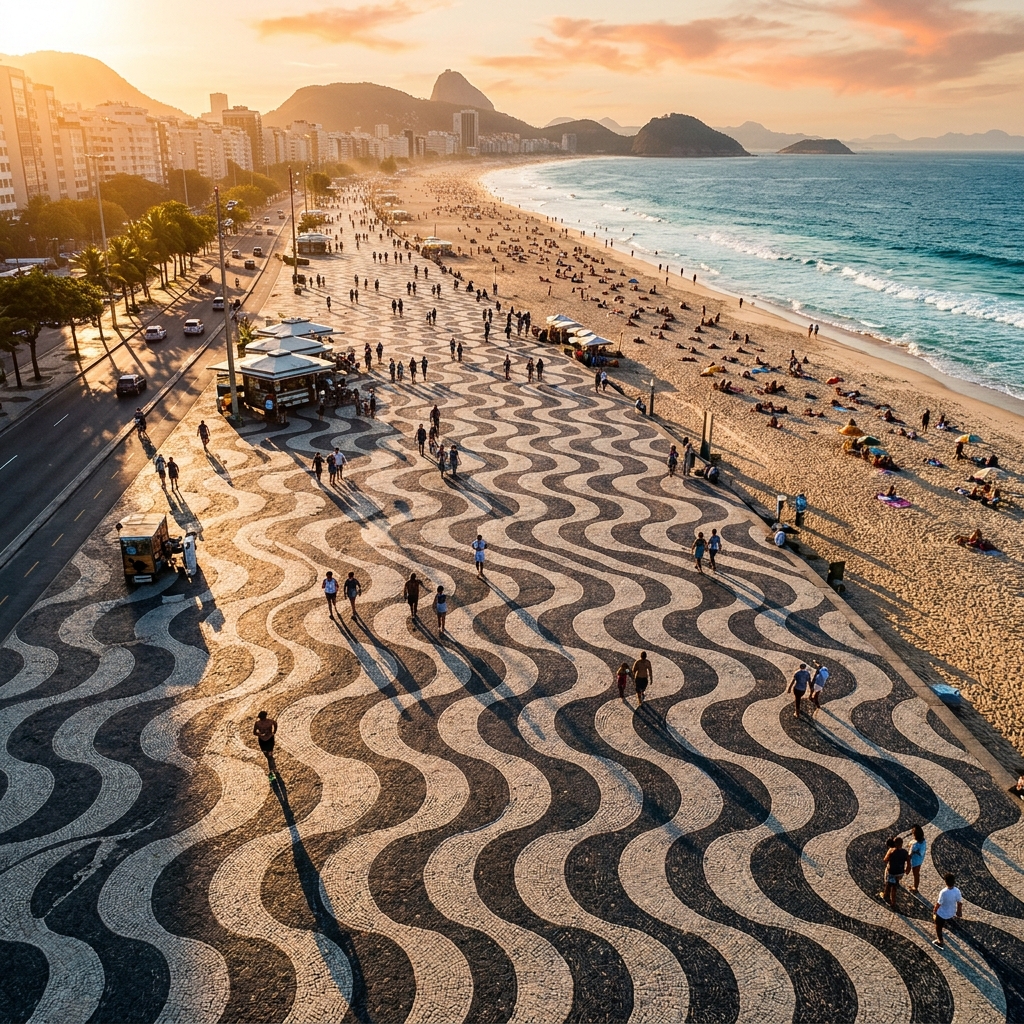
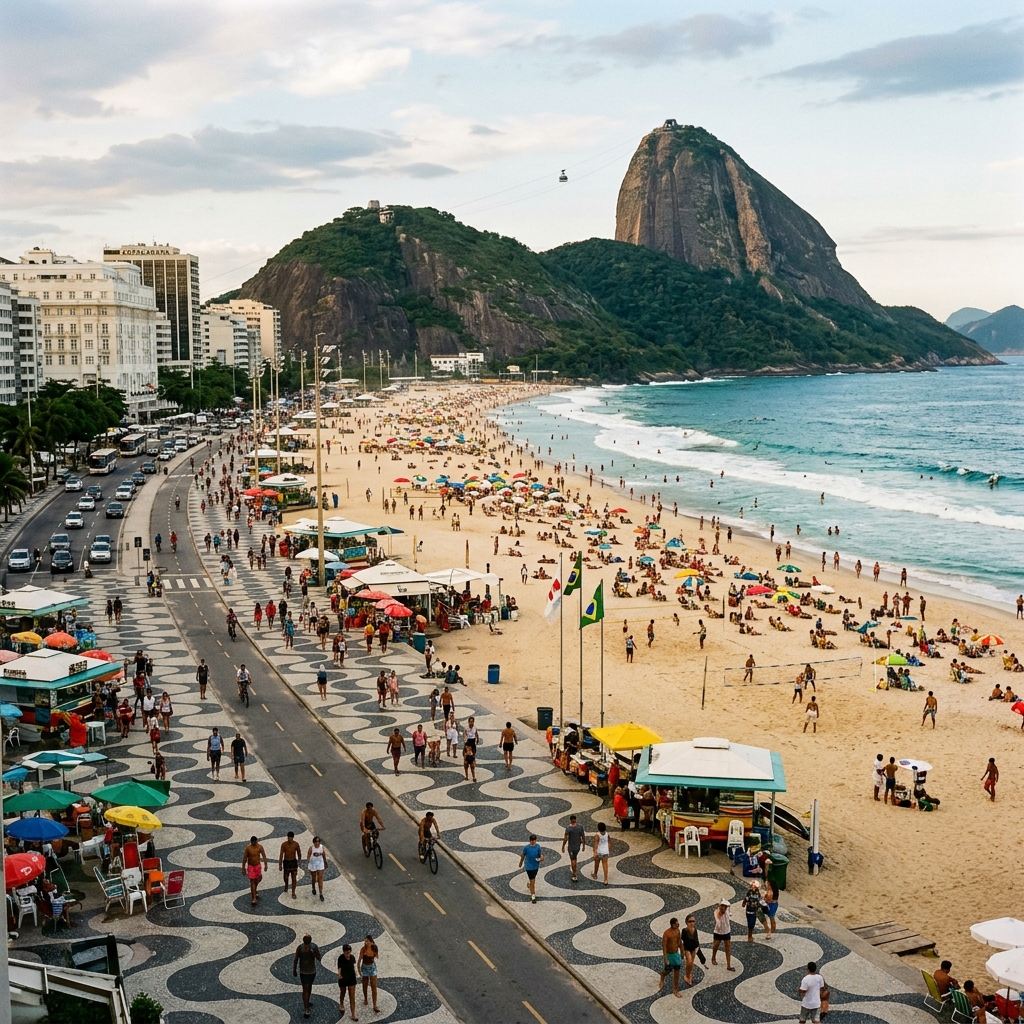
Copacabana's Portuguese stone waves were redesigned by Burle Marx in the 1970s, but the original pattern came from Lisbon in the 19th century.
In 1958, in a cramped Copacabana apartment, Tom Jobim, João Gilberto and Vinícius de Moraes reinvented Brazilian music. Visit the real addresses.
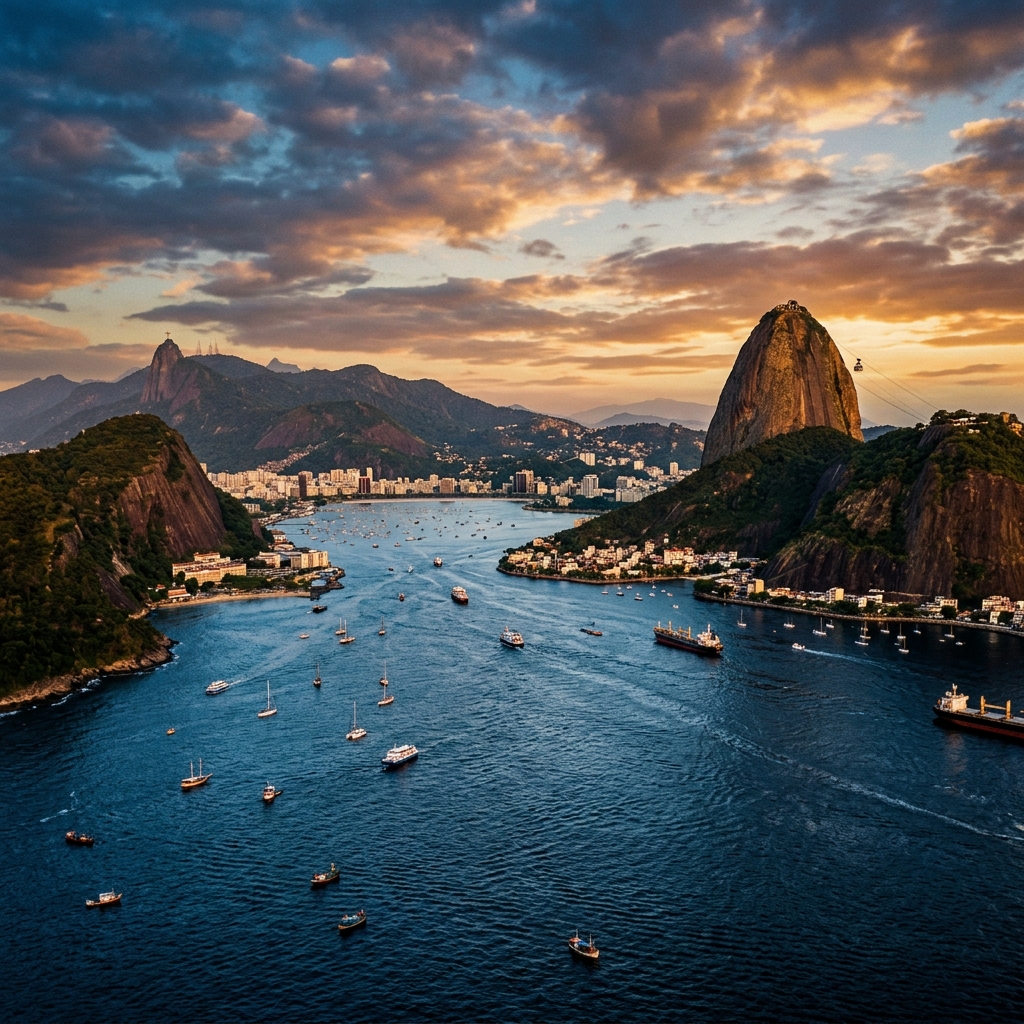
It may seem like the city's biggest irony, but the truth is that Rio de Janeiro has never been a river. An optical illusion is to blame.
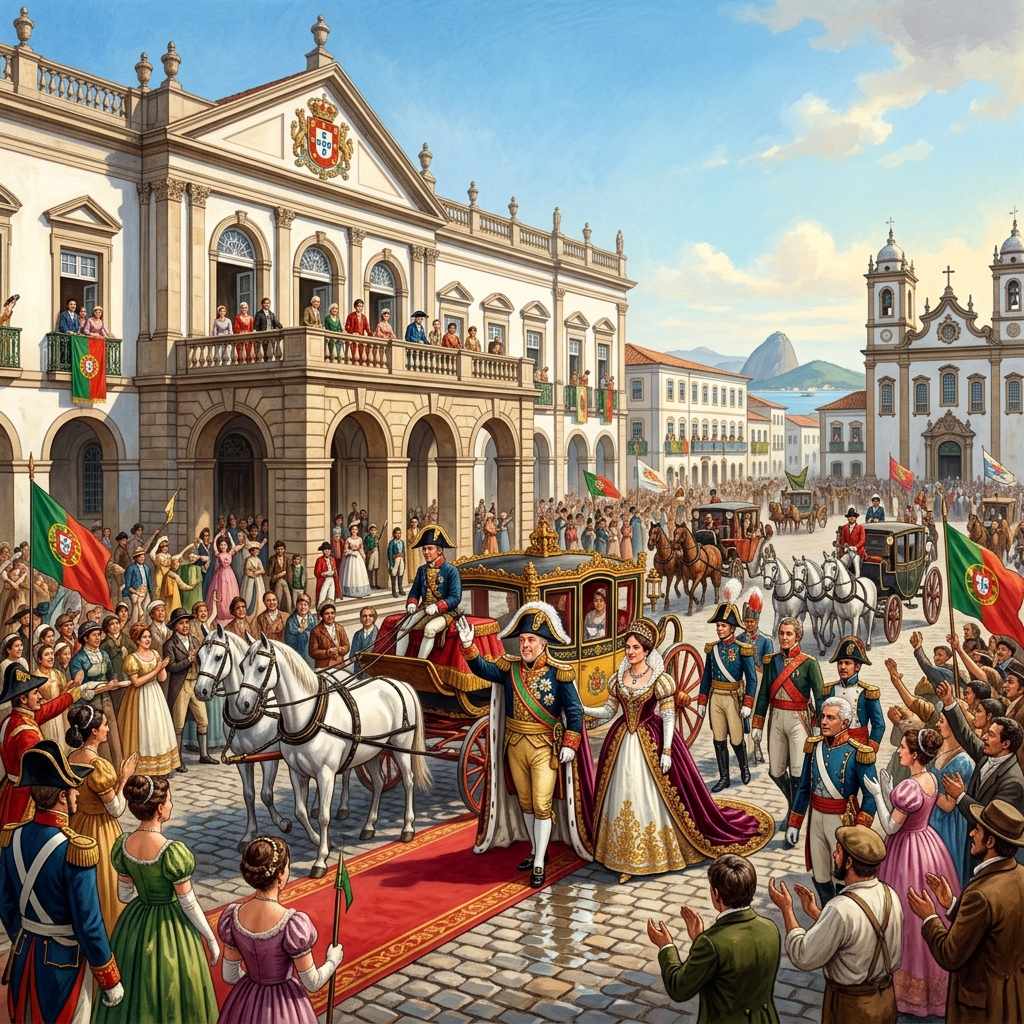
Rio de Janeiro holds an exclusive title in world history: it is the only city outside the European continent to have hosted the government of a European empire.
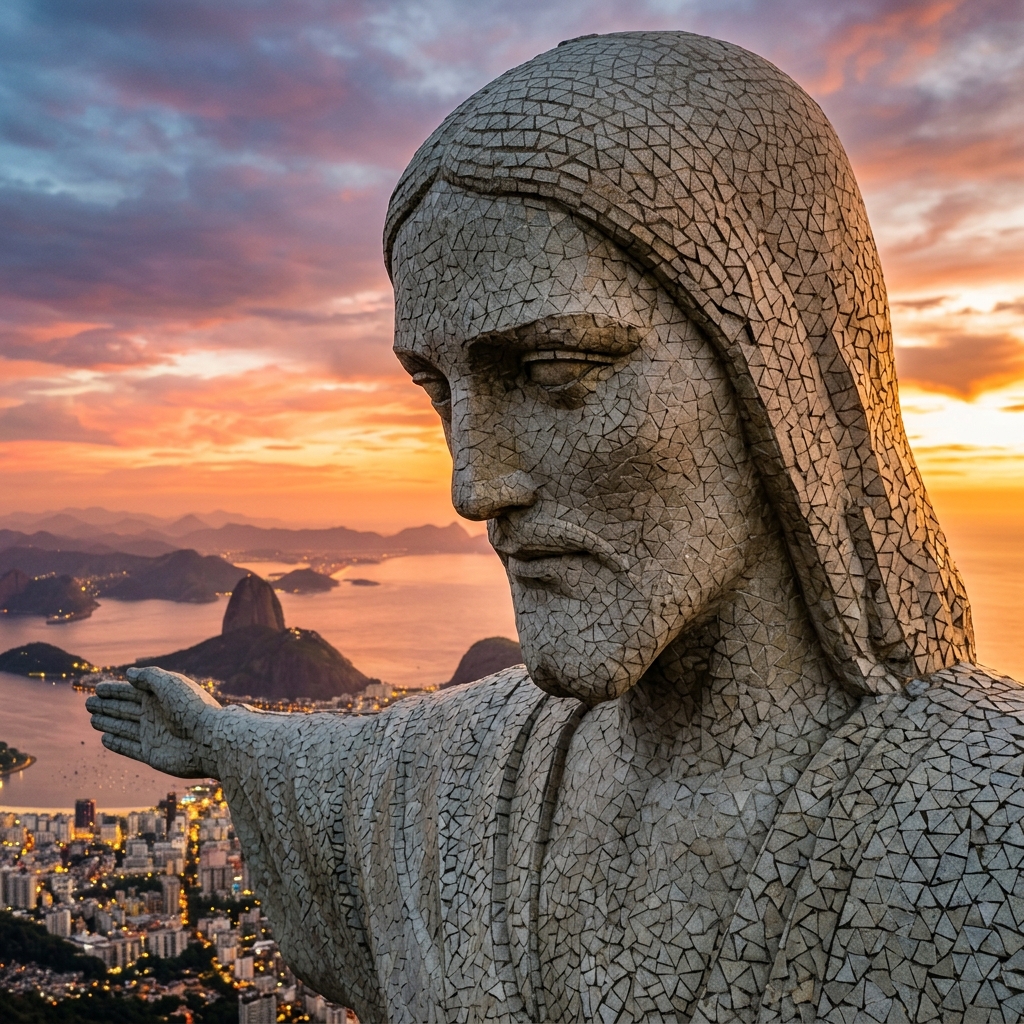
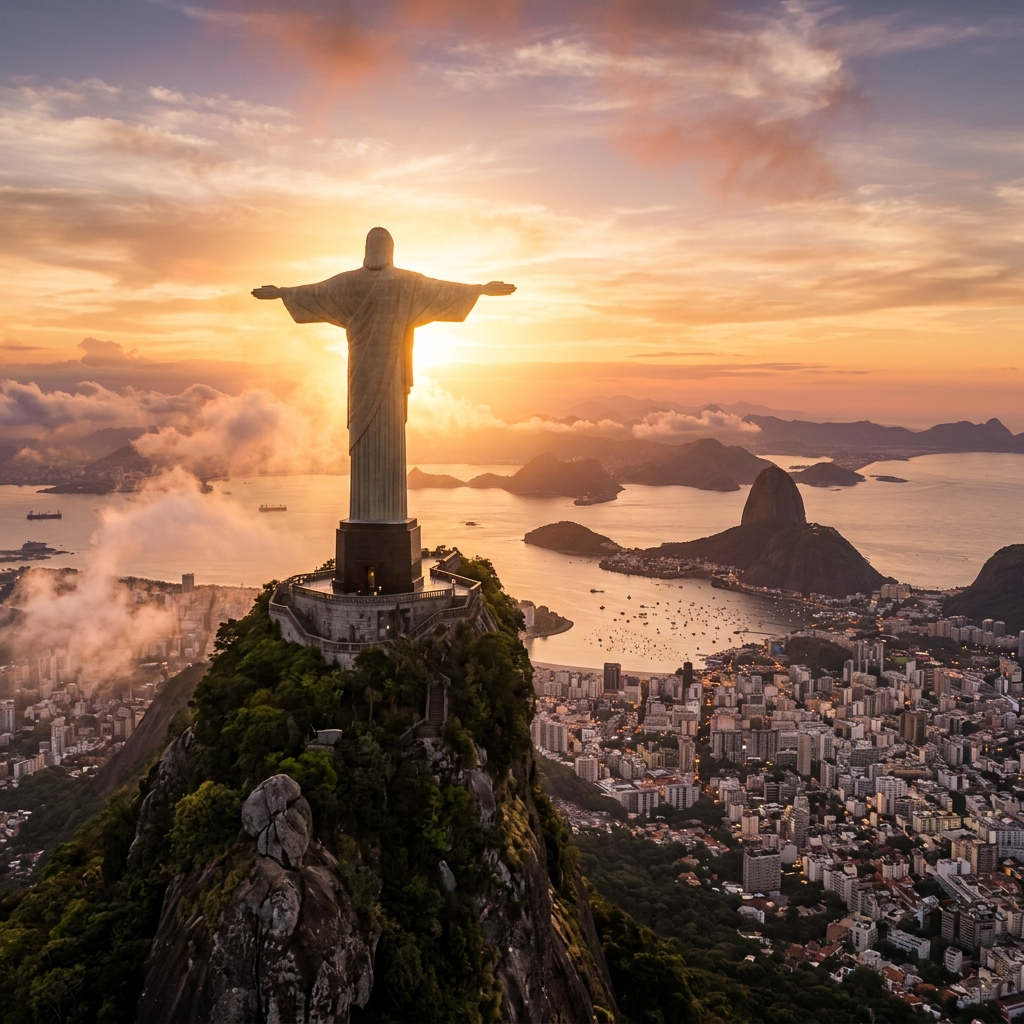
There is a popular myth that Christ the Redeemer was a French gift, but the truth is that it was entirely funded by Brazilian citizens.
The immense tropical jungle that embraces the city is not an untouched gift of nature, but the largest urban reforestation project on the planet.
The perfect combination of humidity, luminosity, and geographical position makes the Rio sky an unparalleled and scientifically proven spectacle.
Copacabana's iconic Portuguese stone waves are inspired by the pavement of Praça do Rossio in Lisbon.
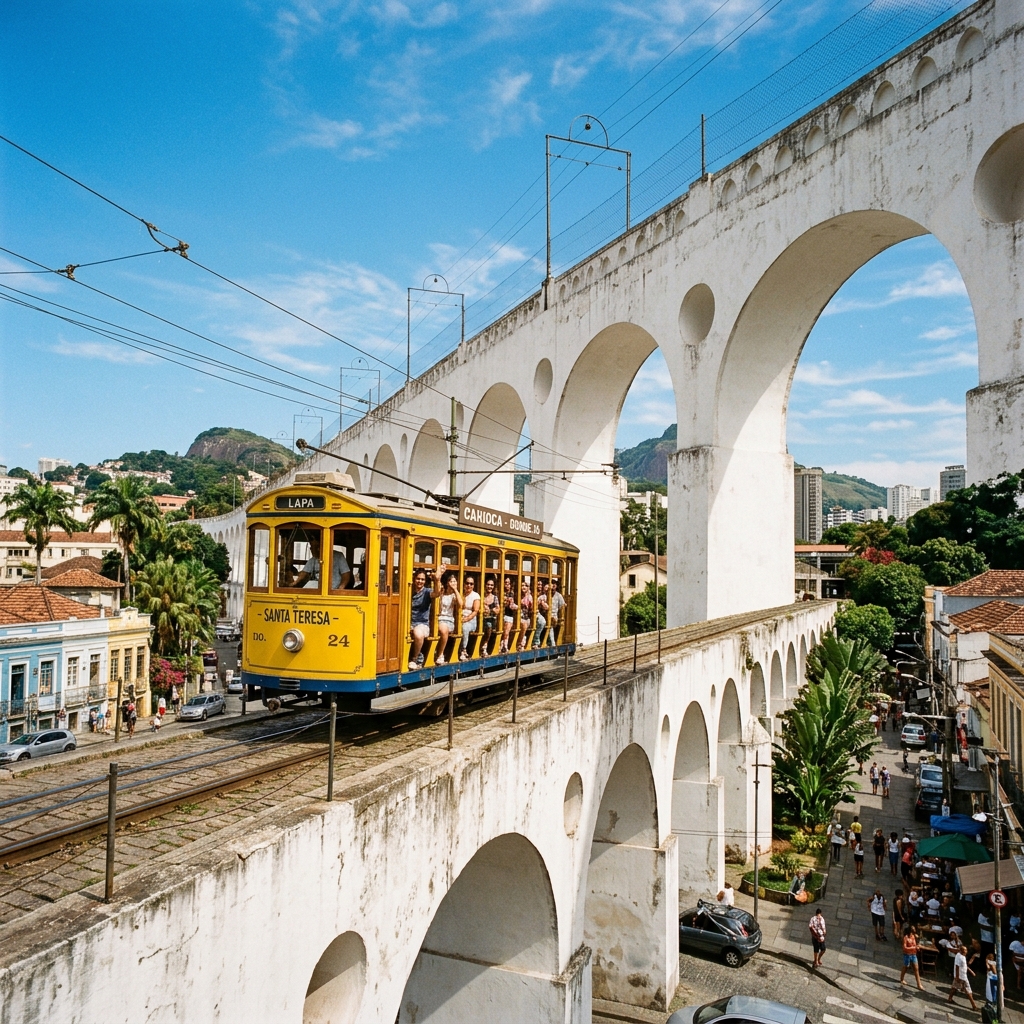
Long before other metropolises, Rio inaugurated its first electric tram in 1892. The golden magic of that era survives in the Santa Teresa Tram.
Subscribe to our newsletter and receive the best itineraries, tips and news about Rio de Janeiro.
Contact us